Authentic Homemade Pizza Sauce (Classic Pizzeria-Style)

When it comes to pizza, the sauce is the heart of the dish. The aroma of warm tomatoes and herbs meeting oven heat signals something special is underway. A well-made pizza sauce doesn’t just add moisture—it balances acidity, enhances aroma, and helps toppings and dough come together into a cohesive whole. While store-bought sauces offer convenience, making pizza sauce at home allows for better flavor control, thoughtful seasoning, and a texture that performs beautifully in the oven.
Below, you’ll find context, technique, and practical guidance that support a classic pizzeria-style pizza sauce designed for home kitchens.
The History of Pizza Sauce
Pizza sauce traces its roots to Naples, Italy, where pizza emerged as an everyday street food in the 18th century. Traditional Neapolitan pizza relies on a simple tomato-based sauce made from crushed tomatoes, olive oil, garlic, and oregano. Rather than masking the tomatoes, this minimalist approach highlights their natural acidity and sweetness, especially when paired with a hot oven and a well-fermented dough.
As pizza spread globally, pizza sauce evolved alongside regional preferences. In the United States, sauces became more seasoned and often slightly sweeter, reflecting local tastes and baking conditions. Today, homemade pizza sauce offers an opportunity to draw from both traditions—keeping the ingredient list simple, emphasizing savory balance, and seasoning in a way that supports the dough rather than competing with it.
Why Homemade Pizza Sauce Is Popular
Homemade pizza sauce continues to appeal to home cooks for several reasons:
- Customization: Adjust herbs, salt, and sweetness to suit your toppings and oven style.
- Ingredient Control: Choose high-quality tomatoes and avoid unnecessary additives—especially when building meals around simple pantry ingredients.
- Balanced Nutrition: Manage sodium and added sugars more easily than with many commercial sauces.
- Connection to Cooking: Making sauce from scratch deepens the hands-on experience of pizza night.
Common Ingredients in Pizza Sauce—and Why They Matter
The best pizza sauces rely on a short list of ingredients, each serving a specific role. Thinking about pizza sauce in terms of foundation, aromatics, and balance helps create a sauce that tastes cohesive and performs well on the dough.
Foundation (Body and Umami)
- Tomatoes: The backbone of the sauce, providing umami, acidity, and natural sweetness. High-quality canned tomatoes are often more consistent than out-of-season fresh tomatoes.
- Tomato Paste: Adds concentrated tomato flavor and depth while helping thicken the sauce efficiently.
Aromatics (Character and Aroma)
- Garlic and Herbs: Contribute fragrance and classic pizzeria character without overwhelming the tomatoes.
Balance (Texture and Finish)
- Olive Oil: Rounds out acidity, carries flavor, and improves mouthfeel.
- Salt: Enhances flavor and brings the sauce into balance.
- Sugar (Optional): Can soften acidity, but works best as a fine adjustment rather than a primary flavor.
- Vinegar: A small amount of acid sharpens flavor and brightness without relying on sweetness.
Together, these elements create a sauce that tastes savory and clean, with enough structure to support the crust rather than overpower it.
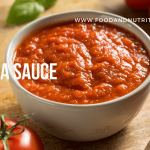
Classic Pizzeria-Style Pizza Sauce
Ingredients
- 1 tablespoon olive oil
- 1 tablespoon tomato paste
- 1 15-ounce can tomato sauce (preferably no-salt-added)
- ¾ teaspoon dried oregano
- ¾ teaspoon dried basil
- ½ teaspoon garlic powder or 1 small clove garlic finely grated
- ¼ teaspoon onion powder
- ½ teaspoon kosher salt plus more to taste
- ¼ teaspoon sugar optional
- 1 teaspoon balsamic vinegar or red wine vinegar
Instructions
- Heat the olive oil in a small saucepan over medium-low heat.
- Add the tomato paste and cook, stirring constantly, for 1–2 minutes, until slightly darkened and fragrant.
- Stir in the tomato sauce, oregano, basil, garlic, onion powder, salt, sugar (if using), and vinegar.
- Bring the sauce to a gentle simmer. Cook uncovered for 15–20 minutes, stirring occasionally, until thickened and smooth.
- Remove from heat. Taste and adjust seasoning with additional salt or a pinch of sugar, if needed.
- Cool completely before spreading on pizza dough.
Notes
- Family-Friendly: Increase sugar to ½ teaspoon for a slightly sweeter, classic pizzeria profile.
- Low-Sodium: Use no-salt-added tomato sauce and start with ¼ teaspoon salt, adjusting after simmering.
- Fresh Herb Finish: Stir in 1–2 teaspoons finely chopped fresh basil after cooking for a brighter aroma.
- Spicy: Add a pinch of crushed red pepper flakes with the dried herbs.
Nutrition Benefits of Homemade Pizza Sauce
Cooking tomatoes gently with a small amount of olive oil not only improves flavor, but also helps increase the availability of lycopene and other beneficial compounds—an example of how thoughtful technique can enhance both taste and nutrition.
Homemade pizza sauce offers more than flavor:
- Tomatoes provide vitamins A, C, and K, along with lycopene, an antioxidant associated with heart health.
- Olive oil contributes monounsaturated fats that support cardiovascular health and improve the absorption of fat-soluble compounds.
- Garlic and herbs add flavor with minimal sodium while contributing beneficial plant compounds.
- Lower added sugar and sodium compared to many commercial sauces make homemade versions easier to fit into balanced eating patterns.
Serving Ideas and Versatility
Pizza sauce is first and foremost designed for pizza, but its balanced flavor makes it useful beyond the pie:
- Spread on homemade pizza dough for a classic Margherita pizza with fresh mozzarella and basil.
- Use as a base for vegetable-forward pizzas or protein-topped combinations.
- Serve alongside calzones or stromboli, or on the side for dipping.
- Thin slightly with pasta water for a quick weeknight pasta sauce.
- Use as a savory dipping sauce for breadsticks, roasted vegetables, or appetizers.
Chef Tips for Success
- Choose high-quality canned tomatoes for consistent flavor.
- Simmer gently and season after cooking; aggressive boiling and early salting can dull tomato brightness.
- For a smoother texture, use an immersion blender or traditional blender to briefly puree the sauce after simmering.
- Cool sauce before use to protect crust structure and prevent sogginess.
- Freeze extra sauce in small portions for easy future meals.
Food Safety Considerations
- Cool sauce promptly before refrigerating.
- Store in an airtight container in the refrigerator for up to 7 days or freeze for up to 3 months.
- Reheat to 165°F (74°C) before serving.
- Label containers with preparation dates to track freshness.
Conclusion
Homemade pizza sauce brings together history, flavor, and practicality. By focusing on balance rather than sweetness alone, you can create a sauce that enhances your pizza without overpowering it. Whether you’re hosting a casual pizza night or refining your technique, this classic pizzeria-style sauce offers a dependable, flavorful foundation—one worth making again, adjusting to your taste, and returning to whenever pizza night calls.
- Authentic Homemade Pizza Sauce (Classic Pizzeria-Style)
- Bread Machine Cornmeal Pizza Dough: The Ultimate Pizza Hack for Busy Foodies

- Classic Marinara Sauce: A Flavorful & Nutritious Guide

- Mushroom and Pesto Boboli Recipe: A Savory and Nutritious Pizza Twist

- Homemade Pizza Dough: Perfect Every Time with Cuisinart

- Discover the Magic of Detroit-Style Pizza: A Crispy, Cheesy Delight

A: Yes. Homemade pizza sauce freezes very well. Let the sauce cool completely, then portion it into airtight containers or freezer-safe bags. Freeze for up to 3 months and thaw in the refrigerator before use.
A: Not necessarily. Many classic pizzeria-style sauces are savory rather than sweet. Sweetness is a stylistic choice and can be adjusted based on preference, toppings, and oven temperature. A balanced sauce relies more on tomato flavor, acidity, and seasoning than added sugar.
A. Cooling pizza sauce before spreading it on dough helps prevent sogginess and protects dough structure during baking. A cooled, thicker sauce stays in place and bakes more evenly.